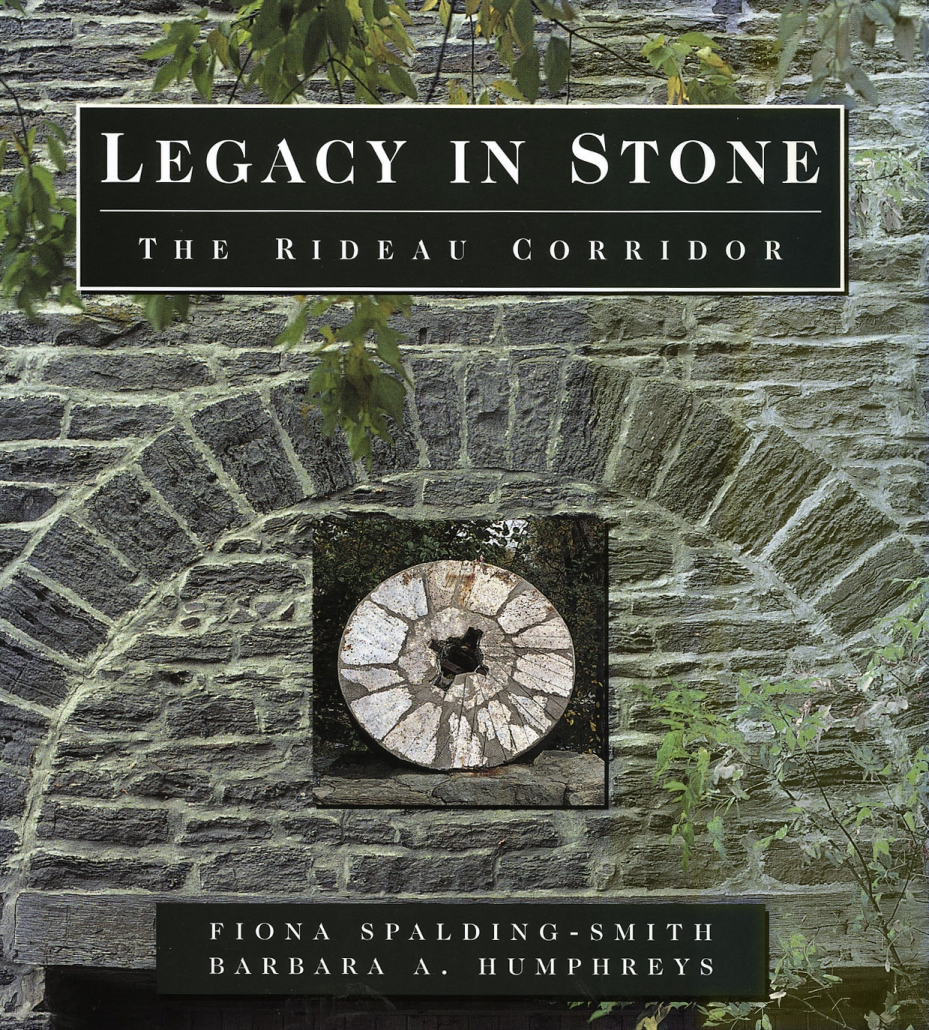
Legacy in Stone: The Rideau Corridor
S’étendant sur quelque 200 km entre Kingston et Ottawa, au Canada, le Canal Rideau traverse champs et forêts, lacs et rivières, tours et villages, offrant un charme rural incomparable. En son cœur, le canal relie une série de rivières et de lacs, formant ainsi l’une des voies navigables les plus pittoresques du continent américain. Sous ce paysage se trouve le Bouclier canadien, une roche vieille de 570 millions d’années. Remarquable par son âge, sa couleur, sa configuration et son immensité, cette roche a inspiré la création de magnifiques ouvrages humains.
Tout au long du XIXe siècle, des centaines de bâtiments furent construits en pierre en raison de sa disponibilité et du nombre de maçons qualifiés restants dans la région après la fin des travaux du canal. Longtemps considérée comme le matériau de construction par excellence, la pierre était privilégiée, notamment pour les édifices destinés à impressionner et à perdurer. Elle pouvait être utilisée brute, taillée, sculptée et polie pour une grande variété d’usages : de fondations en moellons grossiers aux élégants murs en pierre de taille lisse, de grandes et importantes statues aux délicats détails ornementaux.
Chacune de ces structures, du chalet le plus humble jusqu’au canal lui-même, témoigne d’une dignité architecturale et d’une intégrité de construction remarquables. Chacune offre un aperçu tangible de l’histoire du Canal Rideau ; elles évoquent non seulement le savoir-faire technique des colons, mais aussi leurs espoirs, leurs rêves et leur foi en l’avenir, sculptés dans la roche même de leur terre natale : un véritable héritage de pierre.
Legacy in Stone- Stoddard, 1999
Legacy in Stone: The Rideau Corridor
Stretching some 200 kilometres between Kingston and Ottawa, Canada, the Rideau Corridor encompasses fields and forests, lakes and river towers and villages- a wealth of rural charm. At its heart, the Rideau Canal connects a series of rivers and lakes to create one of the most picturesque waterways on the continent. And underlying this landscape is the Canadian Shield – rock dating back 570 million years. Remarkable in age, colour, configuration and immensity, this rock inspired the creation of some magnificent manmade structures.
Throughout the nineteenth century, hundreds of buildings were constructed of stone, because of its availability and because of the number of skilled masons who remained in the area after their work on the Canal was completed. Long regarded as the ultimate in building materials, stone was favoured especially for those structures designed to impress and endure. It could be used in its natural form or cut, carved and polished for wide ranging usage – from foundations of rough coursed rubble to elegant walls of smooth ashlar, from large and important statues to delicate ornamental detailing.
Each of these structures, from the humblest cottage to the Rideau Canal itself, has a dignity of design and an integrity of construction, and each provides a tangible history of the Rideau Corridor. They speak not only of the technical skills of the settlers but also of their hopes and dreams and their faith in the future, carved out of the bedrock of their homeland- a true legacy in stone.
Legacy in Stone- Stoddard, 1999